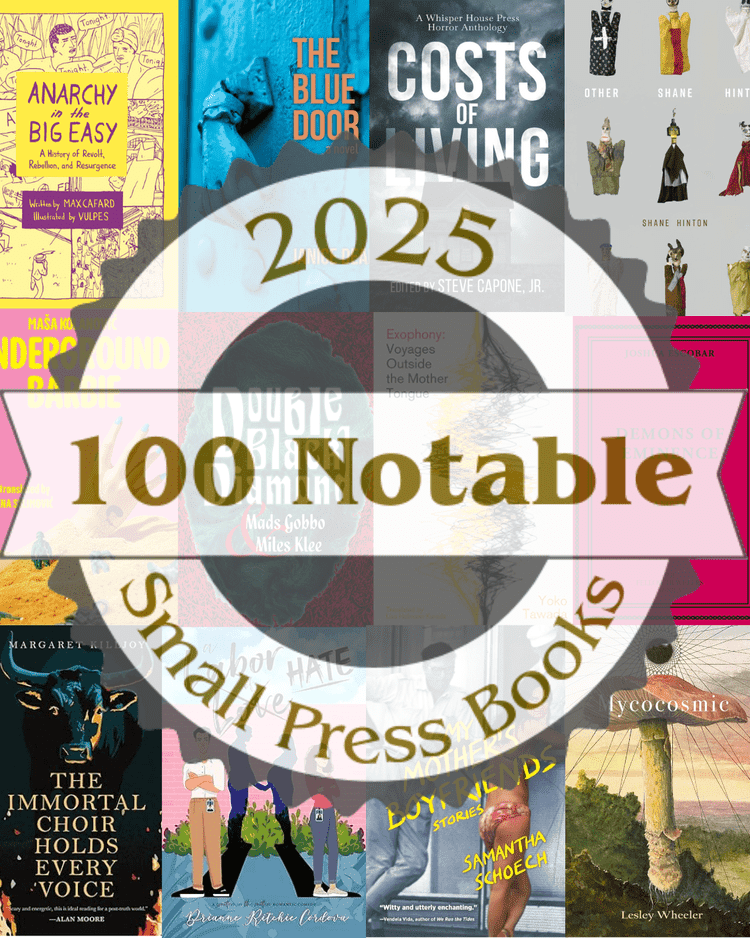
My friend Donna Miscolta’s new novel, Ofelia and Norma, comes out in September (pre-order here). Donna and I have been part of a writing group that began over twenty-five years ago when a group of Hedgebrook writing residency alumna joined forces. Donna and I were in the original group, and soon Jennifer D. Munro and Alma García joined us. With the assistance of these incredible writers and readers, I have recently finished my novel about the Mount St. Helens eruption and will soon begin submitting query letters to agents.
But as I think about how fulfilling it is to hold a book I’ve written in my hands, I am also taking stock of the other joys of the writing life: friendships with writers, readings, workshops, time spent at residencies.

I recently spent a week at the Whiteley Center on San Juan Island, a gorgeous writing retreat run by the University of Washington. I have been there a number of times, and each time my soul sings with the beauty there: the cottages, the deer and foxes wandering by, the ferries heading out into the Salish Sea. On this visit, I made major revisions suggested by the writing group over the year as they read, month by month and chapter by chapter, my latest draft.

Now I have another amazing opportunity: a week at the McCormack Writing Center Summer Workshop (formerly Tin House). As an auditor, I’m not participating in a workshop, but I have met some other Portland writers, attended a fantastic lecture on plot by Emma Copley Eisenberg (with whom I had coffee at an AWP conference many years ago), and listened to the faculty read in an idyllic outdoor amphitheater with crows chatting in the trees and sun shining on a lake behind the readers.
Writing is all of this: writing, of course, but also doing research, talking about writing with other writers, going to readings, and celebrating friends’ successes. Also: reading. The root of everything.

One more example: Our friend Mira Shimabukuro recently recommended that my wife Arline and I go to see Tamiko Nimura read from her book, A Place for What We Lose: A Daughter Returns to Tule Lake, at Powell’s Books here in Portland. We listened to her read, talked to her afterward, and bought her book. The experiences Nimura writes about — her father’s death when she was a child; his imprisonment in an American concentration camp — could not be more different from the experiences of my family. And yet. My father died five years ago, and, like Nimura’s father, who wrote a memoir of his time in camp, my father wrote books. I recognize my grief in hers: “I turned to the manuscript, to the book, partly to look for my father, to look for the feeling of being fathered. And it’s still there.” From Nimura’s book, I learned more about the camps and their effects on those whose ancestors endured and resisted them. I also felt something surfaced and articulated about my own experiences with grief. And, at the bookstore, I felt the web of connection: our friend Mira, her friend Tamiko, our love of reading, the calling that is writing. This is what makes a writer’s life.